
midjourney vs nano banana: the practical answer for creators
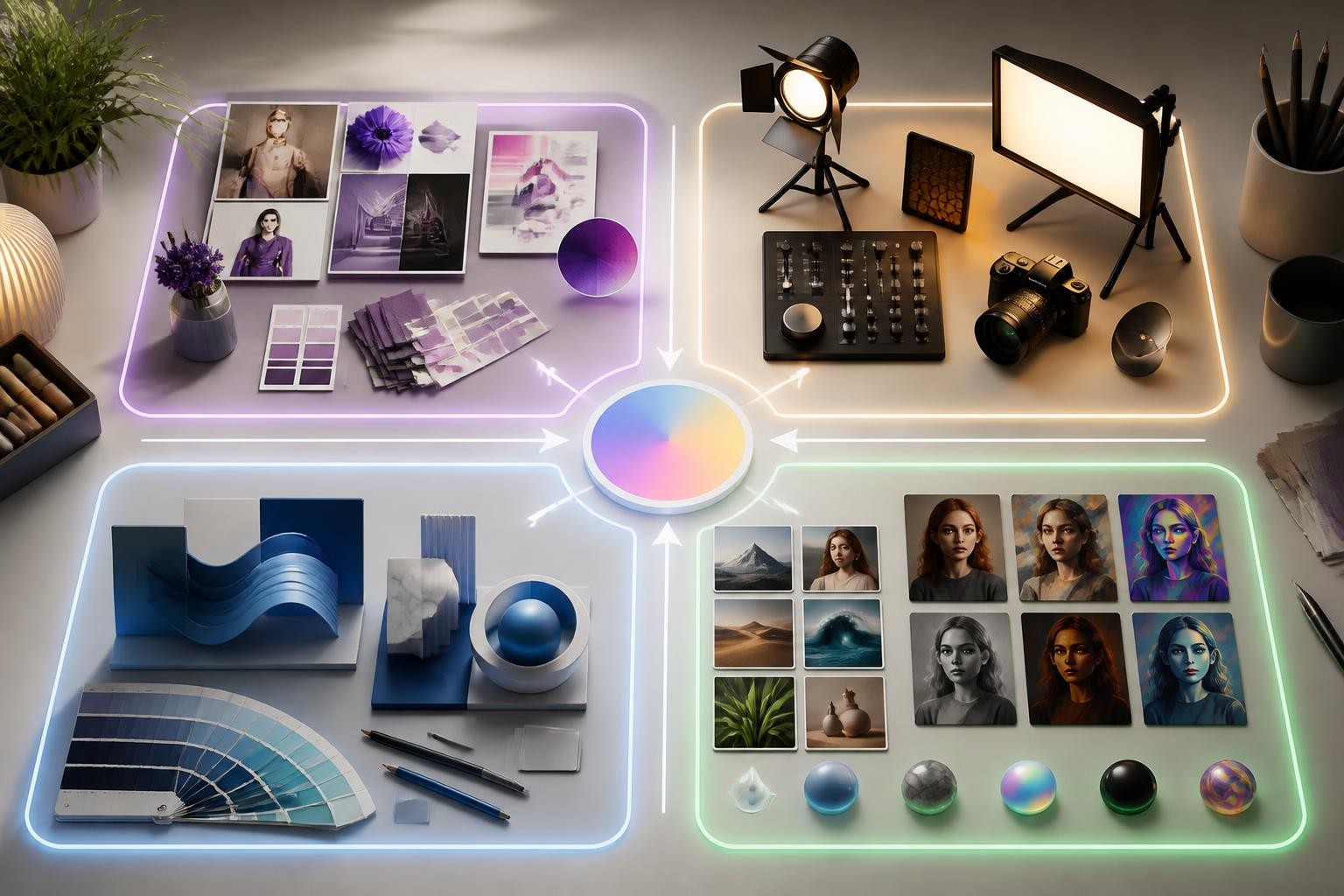
If you are comparing midjourney vs nano banana, the useful answer is not "one model wins." Midjourney is still the better first stop when the job is visual taste: atmospheric art direction, cinematic composition, style exploration, fashion/editorial mood, characterful illustration, and images where the final look matters more than literal instruction following. Nano Banana, especially Nano Banana Pro, is stronger when the job is controlled creation: following dense instructions, editing or preserving source images, rendering readable text, using real-world context, making product mockups, and turning structured information into visuals.
That split matters because the search query usually hides several different jobs. A concept artist asking for a rich fantasy scene, a marketer asking for an on-brand poster, an ecommerce team asking for product mockups, and a creator uploading a selfie for a restyle are not really asking the same question. They are asking which workflow wastes less time.
The short recommendation:
- Choose Midjourney when you need visual discovery, style, mood, and striking composition.
- Choose Nano Banana Pro when you need precise edits, text-heavy designs, brand-color discipline, real-world grounding, or visual reasoning.
- Use Img2Img AI when you want to try multiple image models from one practical image-to-image workspace instead of treating this as a single-model decision.
What people really mean by Nano Banana
The name "Nano Banana" is used loosely online, so it helps to separate the models before making a decision.
Nano Banana usually refers to Google's Gemini image generation and editing family. In current usage, the important distinction is between the faster Nano Banana models and Nano Banana Pro, which is also known as Gemini 3 Pro Image. Nano Banana Pro is built for more advanced image generation and editing, with a stronger emphasis on reasoning, text rendering, real-world knowledge, product mockups, and controlled asset production.
Midjourney is a different kind of creative system. Its strongest appeal is not only prompt obedience. It is the way it interprets a prompt into a visually compelling image, often with strong lighting, texture, composition, and mood. Midjourney also has image prompts, style references, personalization, moodboards, editing tools, and version controls, so it is no longer just a simple text-to-image prompt box.
That is why a fair midjourney vs nano banana comparison should not stop at "which looks better." A better comparison asks:
- Which model understands the task?
- Which model preserves what should not change?
- Which model gives the best visual direction with the least prompting?
- Which workflow supports iteration, reference images, and final edits?
- Which output is easier to use in a real campaign, product page, blog, thumbnail, or social post?
midjourney vs nano banana pro by use case
Best for pure visual style: Midjourney
Midjourney is usually the stronger choice when the brief is aesthetic rather than procedural. It shines when you want images that feel composed, atmospheric, textured, and visually intentional. A loose prompt can often become a strong visual direction without requiring you to specify every camera, lighting, and material detail.
That makes Midjourney useful for:
- Concept art and worldbuilding
- Fashion, editorial, and cinematic imagery
- Poster-like visuals without much readable text
- Moodboards and visual exploration
- Style-led campaign concepts
- Illustration systems where taste matters
- Early creative exploration before a stricter production pass
The trade-off is control. Midjourney can produce beautiful work while still ignoring small details, simplifying specific instructions, or changing parts of a reference image that you expected it to preserve. It is excellent at making an image feel alive, but it is not always the easiest tool when the brief requires exact layout, exact text, exact color, or exact product structure.
Best for prompt obedience and structured visuals: Nano Banana Pro
Nano Banana Pro is easier to recommend when the prompt is dense, instructional, or factual. If you need a model to reason through a design request, keep multiple constraints in mind, or create a visual that explains something, Nano Banana Pro often has the better shape for the task.
It is especially relevant for:
- Product mockups
- Design variations with specific constraints
- Text in posters, covers, diagrams, labels, or layouts
- Infographics and educational explainers
- Image edits that need preservation
- Multi-image blending and reference-aware work
- Localized visuals where readable text matters
The trade-off is taste. Nano Banana Pro can be very capable, but its outputs may feel more functional than art-directed if the prompt does not guide the look. For creative work, you may need to spend more effort specifying mood, lighting, composition, texture, and visual references. For practical production work, that is usually a fair trade.
Best for image-to-image experimentation: Img2Img AI
If your real question is not "which model should I pledge loyalty to?" but "how do I quickly test several image models on my own image?", use a model hub workflow. Img2Img AI is useful here because it is built around image-to-image creation: upload a source image, choose a model, write a prompt, and transform the image while keeping important elements anchored.
That makes Img2Img AI a practical next step after reading a midjourney vs nano banana comparison. Instead of judging model examples in isolation, you can test your own inputs: a product shot, portrait, sketch, campaign visual, thumbnail, old photo, or generated draft.
Use Img2Img AI when you want to:
- Compare Nano Banana Pro with other image models in one place
- Restyle a source image without starting from zero
- Try prompt variations across different model personalities
- Enhance, restore, expand, or clean up images
- Move from open-ended generation to a production-ready asset
- Find out which model works for your actual subject, not someone else's demo
The decision framework: taste, truth, text, and transformation
The cleanest way to decide is to score your task across four dimensions.
1. Taste: how much does the image need art direction?
If the output needs to feel like a film still, a fashion campaign, a gallery print, a moody album cover, or a polished fantasy scene, Midjourney is usually the better starting point. It tends to do well when the prompt leaves room for interpretation.
If the output needs to serve a layout, explain a concept, preserve product details, or follow a structured brief, Nano Banana Pro deserves more attention.
A simple rule: when taste is the problem, start with Midjourney. When instruction management is the problem, start with Nano Banana Pro.
2. Truth: does the image rely on real-world knowledge?
Some images need more than style. A diagram of a historical site, a recipe visual, a weather scene, a product mockup with real constraints, or an educational explainer depends on context. Nano Banana Pro's reasoning-oriented design is better suited to that kind of request.
Midjourney can create convincing scenes, but convincing is not the same as accurate. For fact-sensitive visuals, you should avoid treating any image model as a source of truth. Use verified source material, keep claims separate from generated imagery, and review anything factual before publishing.
3. Text: does the image need readable words?
For many years, text inside AI images was a weak point. Nano Banana Pro is one of the more relevant choices when readable text is part of the asset: posters, covers, invitations, labels, diagrams, product layouts, or localized designs.
Midjourney has improved across versions, but if readable text is central to the image, Nano Banana Pro is usually the safer first test. If text is only a minor decorative element, Midjourney can still be a strong choice, especially if you plan to add final typography in a design tool.
4. Transformation: are you starting from an existing image?
This is where many comparisons go wrong. Text-to-image and image-to-image are different jobs.
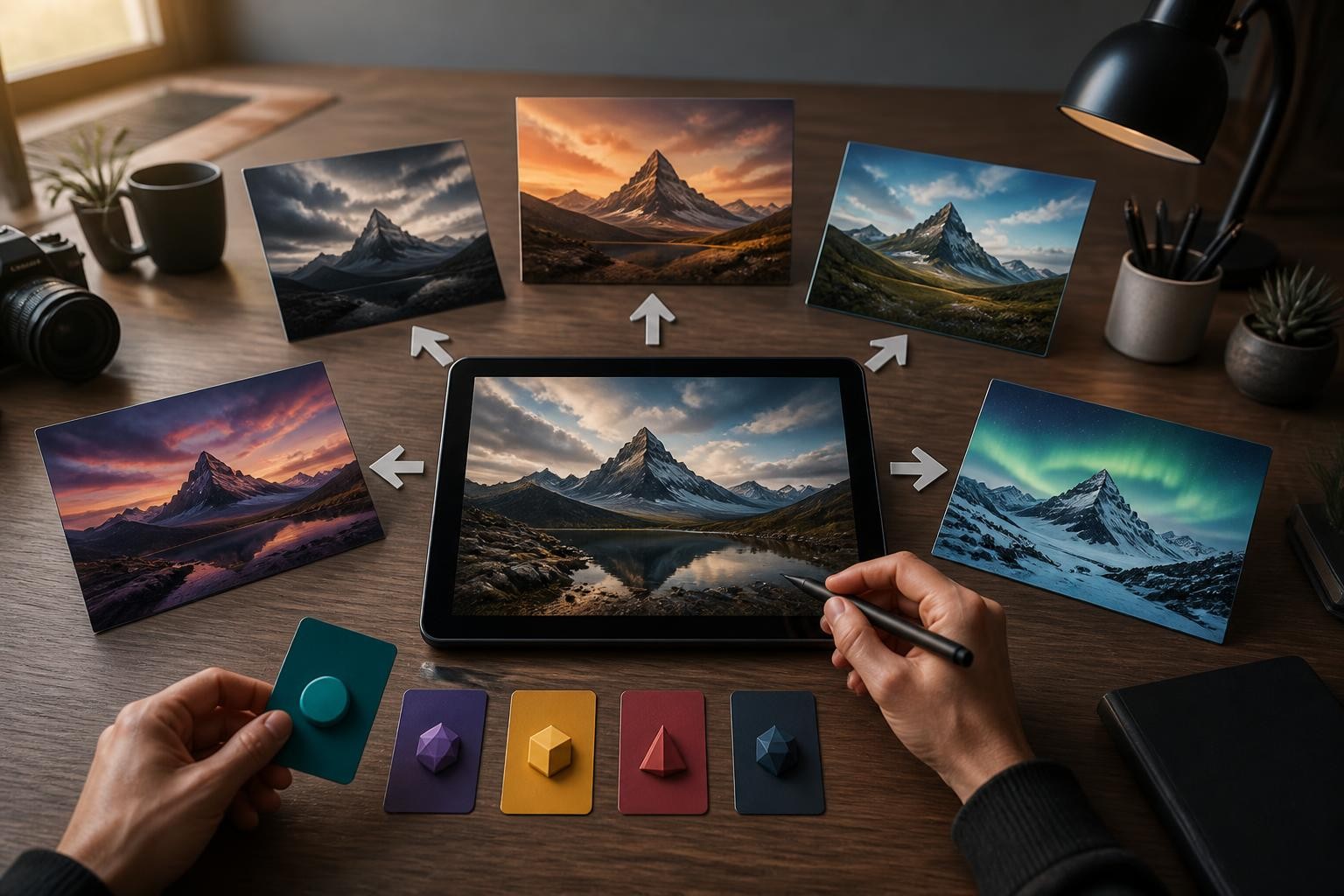
If you are starting from a blank prompt, Midjourney can be excellent for discovering a visual direction. If you are starting from an existing image, your priority is preservation plus controlled change. You may need to keep a person's pose, a product's shape, a room's perspective, a brand color, or a composition while changing style, lighting, background, or quality.
In that case, test Nano Banana Pro and other image-to-image models inside a workflow such as Img2Img AI. The source image should become the anchor, and the prompt should describe what changes and what stays fixed.
Is Midjourney better than Nano Banana Pro?
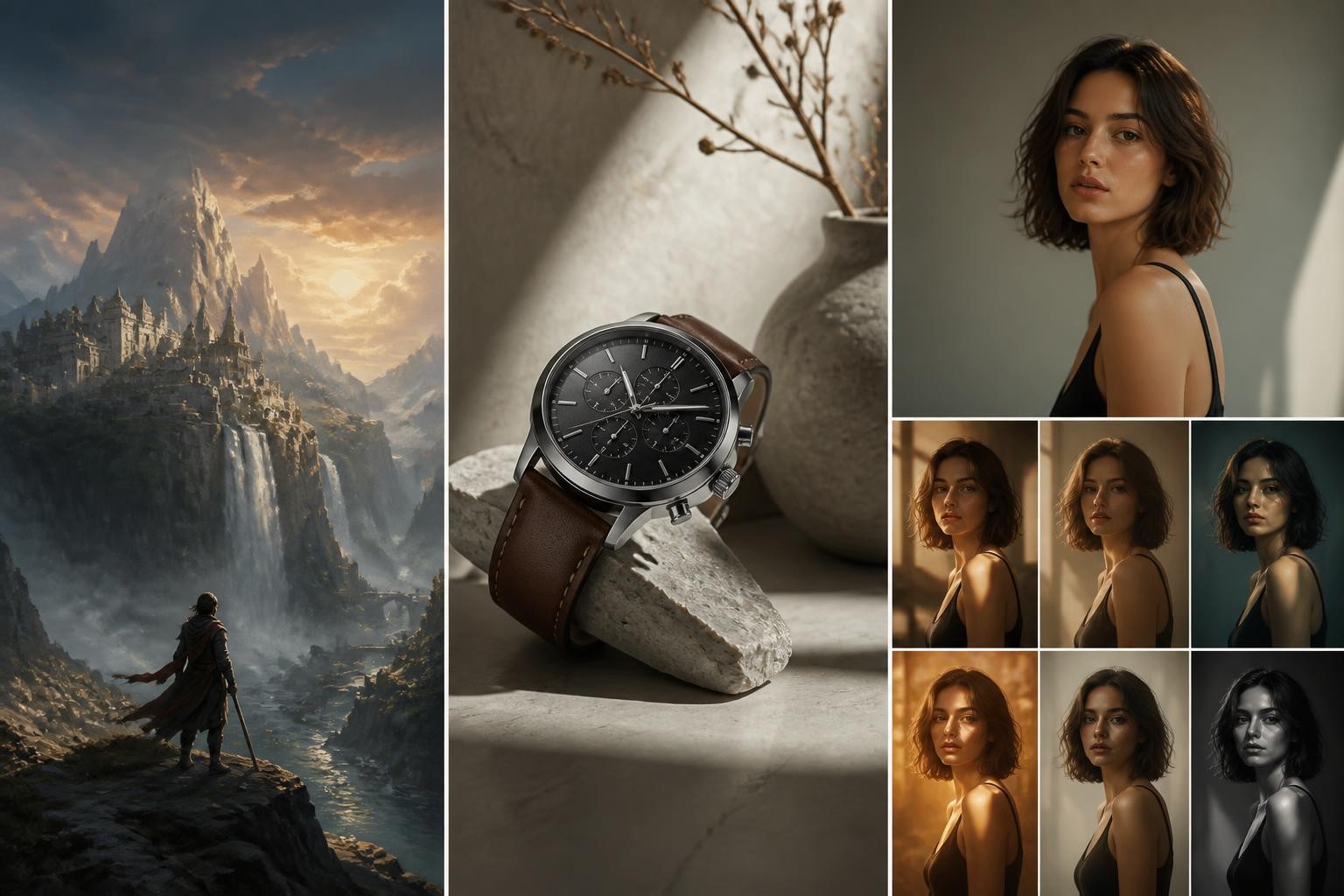
Midjourney is better than Nano Banana Pro when "better" means more visually surprising, more atmospheric, and more immediately art-directed. It is often the stronger creative ideation tool. If you want a set of striking directions for a campaign, moodboard, character concept, environment, cover image, or visual style test, Midjourney remains hard to ignore.
Nano Banana Pro is better when "better" means more obedient, more edit-friendly, more useful for text, and more suited to structured production tasks. It is often the stronger tool for product mockups, brand-specific revisions, source-image transformations, diagrams, and prompt-heavy instructions.
So the honest answer to "is midjourney better than nano banana pro" is: yes for style-led creative generation, no for many production and editing workflows.
Which is better mid journey v6 or nano banana pro?
If the exact question is "which is better mid journey v6 or nano banana pro," Nano Banana Pro is usually the stronger modern recommendation for controlled image generation and editing. Midjourney V6 was an important release because it improved prompt accuracy, coherence, and image prompting, but it is no longer the current default Midjourney version. Midjourney has moved through newer versions with faster rendering, better prompt handling, and broader feature changes.
That does not make V6 useless. Some creators still like older model behavior for specific aesthetics. But if you are choosing today for professional image editing, text rendering, product mockups, or instruction-heavy visuals, Nano Banana Pro is the more relevant comparison point. If you are choosing within Midjourney, compare Nano Banana Pro against the current Midjourney version you can actually use, not only V6.
A practical testing workflow for your own images
The fastest way to avoid generic advice is to run a small model bake-off on your own material.
Step 1: choose one real task
Do not test with a vague prompt such as "make a cool poster." Choose a job you actually care about:
- Restyle this portrait into a polished editorial image.
- Turn this product photo into three ad concepts.
- Create a blog hero image for an AI image model comparison.
- Make a clean mockup with readable short text.
- Extend this square image into a landscape banner.
- Preserve this character while changing the environment.
Step 2: write preserve and change rules
For image-to-image work, separate what must stay from what can change.
Preserve:
- Subject identity
- Product shape
- Camera angle
- Pose
- Main lighting direction
- Composition
- Brand color
Change:
- Background
- Style
- Season
- Surface material
- Mood
- Aspect ratio
- Lighting intensity
- Output use case
This structure helps any model. It is especially useful when comparing Nano Banana Pro and other models in Img2Img AI because it makes the test less subjective.
Step 3: run the same prompt across models
Use the same source image and prompt across several models. Do not judge only the prettiest first result. Judge the output against the job:
- Did it preserve the important parts?
- Did it follow the instruction?
- Did it introduce unwanted artifacts?
- Does the style match the intended use?
- Does the image need heavy cleanup?
- Can you repeat the result with small variations?
Step 4: keep the best model for each job
You may find that one model is best for portraits, another for product restyles, another for text-heavy graphics, and another for cinematic concepts. That is normal. A serious image workflow should not force every task through the same model.
Prompt examples you can adapt
Midjourney-style prompt for visual exploration
Create a cinematic editorial campaign image of a compact mirrorless camera on a rain-dark studio table, soft rim light, reflective black surface, restrained luxury mood, shallow depth of field, subtle grain, no readable text, no logos.
This kind of prompt leaves room for interpretation. It gives Midjourney enough visual direction without over-controlling every part of the scene.
Nano Banana Pro-style prompt for controlled design
Create a clean product mockup based on the uploaded ceramic mug. Preserve the mug shape, handle, camera angle, and main shadow. Place it on a warm neutral kitchen counter with soft daylight. Add a simple graphic area on the front without readable text. Keep the product realistic and avoid changing its proportions.
This is more procedural. It tells the model what the source image provides, what must stay, and what should change.
Img2Img AI prompt for model comparison
Use the uploaded product photo as the source. Preserve the product shape, camera angle, proportions, and shadow direction. Create three polished lifestyle variations with different backgrounds and color moods. Keep the result realistic, clean, and suitable for ecommerce ads. No readable text, no logos, no extra products.
This prompt is designed for a multi-model workflow. It lets you compare how different models handle the same preservation and transformation rules.
Common mistakes in a midjourney vs nano banana comparison
Comparing only one demo image
One prompt does not prove a model is better. AI image models have personalities. A model that fails at one prompt may succeed at another, and a model that produces a beautiful image may still fail the actual brief.
Ignoring the source image
If your real workflow begins with an uploaded image, do not judge the models only by text-to-image examples. Test with your source material.
Treating readable text as a small detail
Readable text changes the tool choice. If the image needs typography inside the generation itself, Nano Banana Pro should be part of the test. If final text can be added later in a design tool, Midjourney may still be the better image generator.
Using one model for every stage
Creative work often needs stages. You might use Midjourney to explore visual direction, Nano Banana Pro for a controlled mockup, and Img2Img AI to compare image-to-image variations before final cleanup.
Where Img2Img AI fits after the comparison
The best reason to use Img2Img AI is not that it makes the Midjourney vs Nano Banana choice disappear. It makes the choice practical. You can upload your own image, test multiple models, and judge the results by your actual output needs.
That is especially useful when you do not know whether the winning model will be Nano Banana Pro, GPT Image, Seedream, Flux, or another model for a specific asset. Model rankings are helpful, but your own product photo, portrait, sketch, or campaign draft is the real test.
Img2Img AI also reduces tool switching. Instead of moving between separate generators, editors, restorers, outpainters, and effect tools, you can keep the work in one image-to-image workspace and choose the model that fits the job.
Picking a subscription, not just a model
Midjourney is its own subscription, while Nano Banana Pro turns up inside several multi-model platforms at different prices. If the real decision is which subscription to buy, OpenArt vs Higgsfield compares two of the larger ones on cost per image, cost per video, and the tier where commercial use rights actually start.
Final verdict
Midjourney wins when the task is visual imagination. Nano Banana Pro wins when the task is controlled production. Img2Img AI is the practical bridge when you want to test image models on your own source images rather than relying on generic comparisons.
If you are still undecided, choose based on the starting point:
- Blank idea and strong visual direction: start with Midjourney.
- Source image and controlled transformation: start with Nano Banana Pro or another image-to-image model.
- Need to compare models quickly: use Img2Img AI.
- Text-heavy design or factual visual: include Nano Banana Pro in the test.
- Artistic campaign exploration: include Midjourney in the test.
For the most useful next step, take one image you actually plan to use, write preserve/change rules, and compare model outputs inside midjourney vs nano banana workflows on Img2Img AI.
