
Krea2 Turbo: what it is, key features, and the best image-to-image alternative
Krea2 Turbo is the fast, distilled version of Krea's Krea 2 image model: an open-weights text-to-image checkpoint built to produce near-final-quality images in seconds instead of tens of seconds. Most people who search for Krea2 Turbo want one of two answers — what does this model actually do, and is it the right tool for the job they have in mind. The short version: it is excellent for rapid text-to-image generation, style exploration, and high-volume concept iteration. But if your real task starts from an existing photo, product shot, or sketch, an image-to-image platform like Img2Img AI will usually get you to a finished result faster. This guide explains what the model is, what it does well, where it falls short, and when a krea-2-turbo alternative is the smarter pick.
What is Krea2 Turbo?
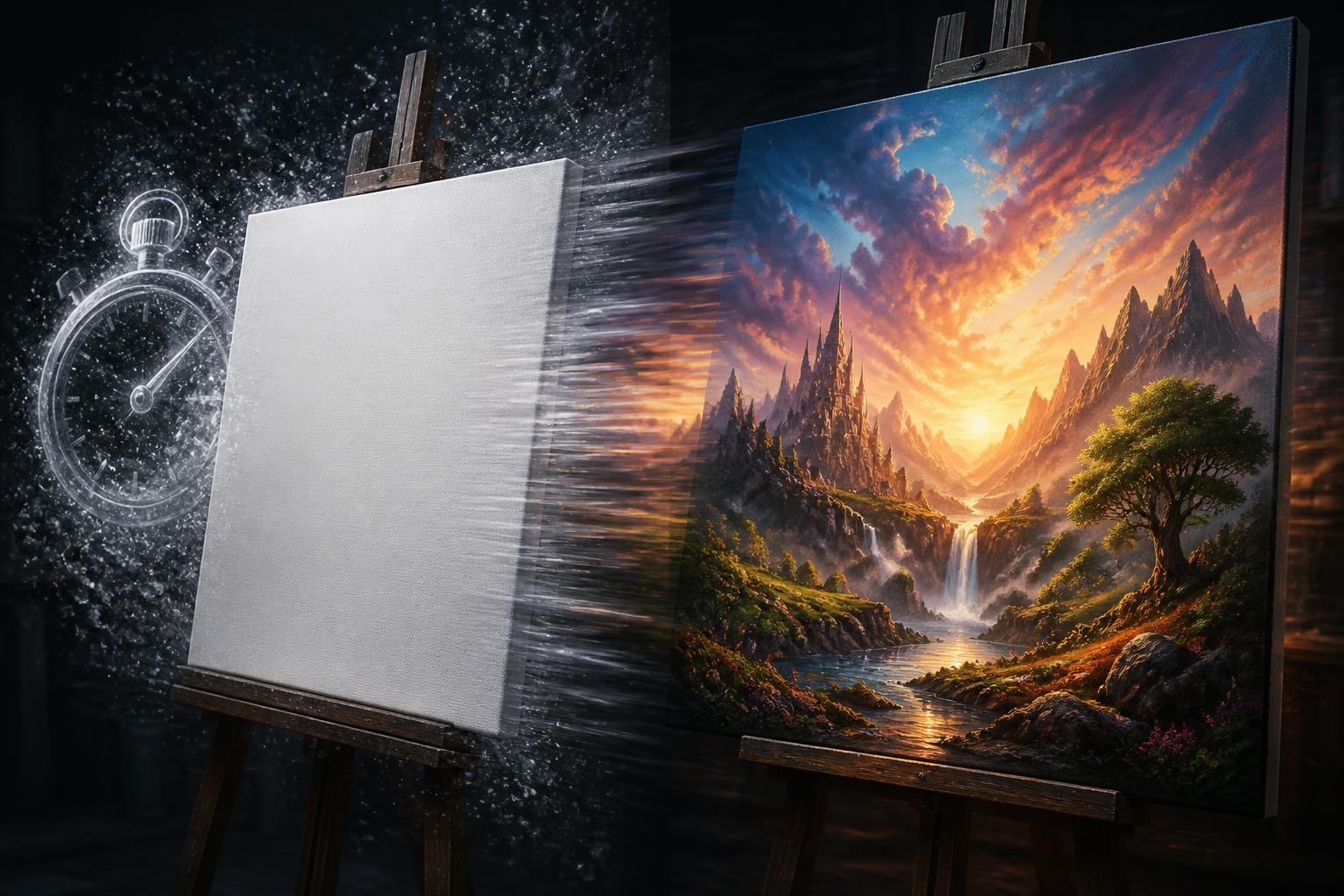
Krea2 Turbo is a distilled text-to-image diffusion model that Krea released in June 2026 as part of the Krea 2 family, and it was Krea's first model published with open weights. Distillation is the key idea. A standard diffusion model needs dozens of denoising steps to turn random noise into a finished image; the turbo checkpoint is trained to reach a comparable result in about eight steps. Fewer steps means less compute per image, which is why a single generation at roughly 1K resolution takes only a few seconds on Krea's infrastructure.
The June 2026 release matters for a second reason: it marked Krea's shift from a closed, app-only product to a model provider. Publishing the weights meant developers were no longer limited to whatever interface Krea built — they could inspect the model, integrate it into their own systems, and run it on their own hardware.
Krea actually shipped two related checkpoints at the same time. Krea 2 Turbo is the speed-optimized version for everyday generation, while Krea 2 Raw is the non-distilled companion — slower per image, but better suited as a base for LoRA training and fine-tuning. Both were released as open weights on Hugging Face, so you can use the turbo model in three ways: inside the Krea web app, through Krea's API, or by downloading the checkpoint and running it locally with standard tooling such as the diffusers library.
In the Krea lineup, Krea2 Turbo sits at the fast-iteration end: less raw ambition than the largest Krea 2 variants, but dramatically quicker and cheaper per image.
Krea2 Turbo key features
1. Distilled eight-step speed
Speed is the headline feature. Independent testing measured roughly two to four seconds for a full-quality 1K image, which puts the model in the same responsiveness class as the fastest hosted generators. The practical effect matters more than the number: prompt iteration stops feeling like a queue. You can test a wording change, swap a style reference, or nudge a seed and see the result almost immediately. The web app also generates batches of up to four images per run, which compounds the speed advantage when you are exploring a direction rather than executing a final brief. A five-minute session can realistically produce thirty or forty candidates — enough to judge a creative direction properly instead of committing to the first acceptable result.
2. The Krea 2 aesthetic range
Krea2 Turbo inherits the training emphasis of the full Krea 2 model: photorealism with real texture, film grain, and motion blur, plus genuinely distinct illustration, painterly, cinematic, and graphic directions instead of one polished default. In the web app you can attach up to four style references and full moodboards, and the model honors them unusually well. In our editorial judgment, this is the feature that separates it from other fast checkpoints — most speed-optimized models trade away visual character, while this one keeps it.
3. Open weights and flexible deployment
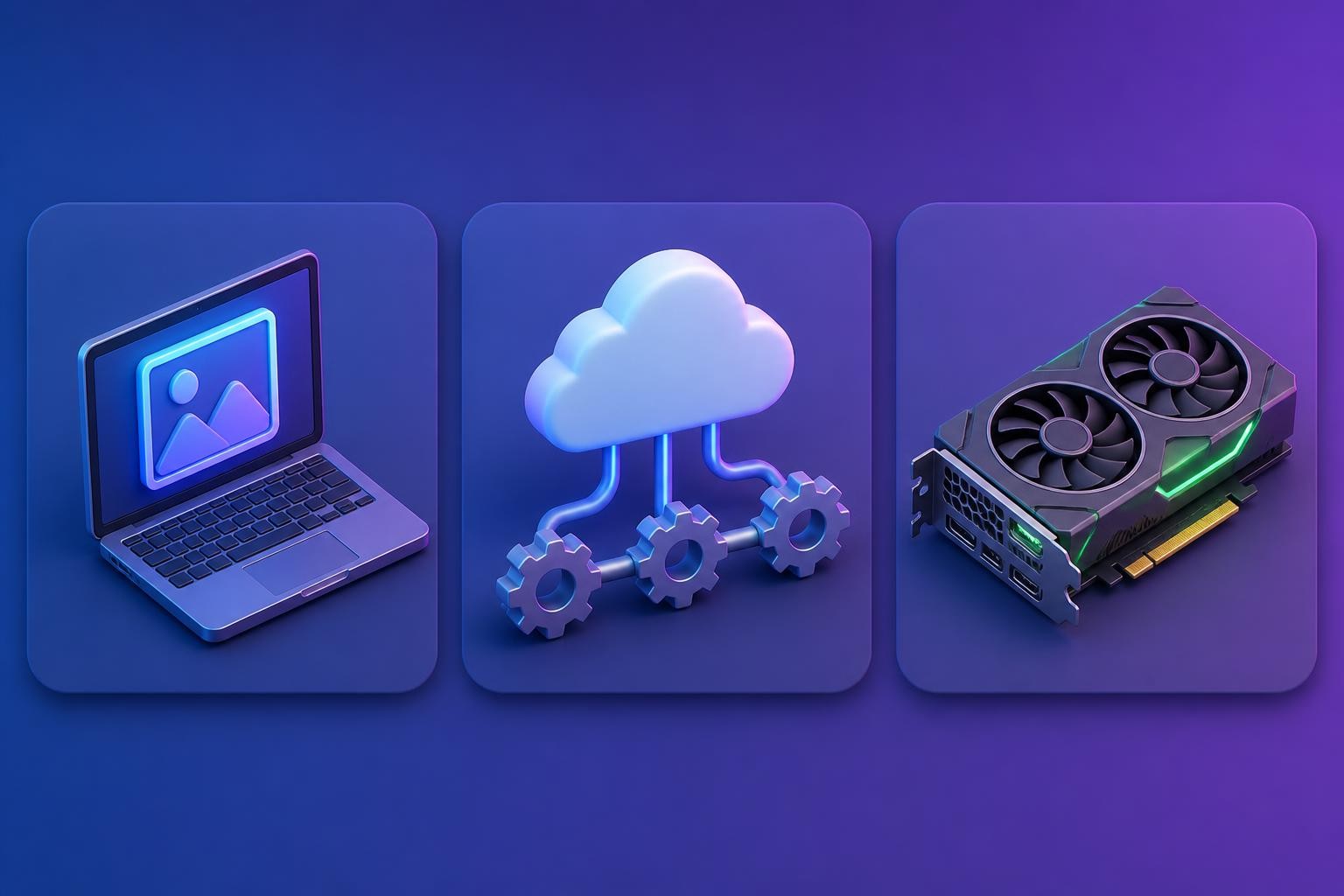
Because the weights are public, the model is not locked to one interface. Casual users can stay in the Krea web app. Developers can call it through Krea's API and wire it into content pipelines. Teams with privacy, cost, or customization requirements can download the checkpoint and run it on their own GPU with diffusers, and the model supports LoRA adapters for custom styles. Seed control is available across these paths, which makes results reproducible when you find a direction worth keeping. The catch: local inference needs a reasonably capable GPU with enough VRAM, so the self-hosting route is real but not free.
4. Low per-image cost
In the Krea web app, a generation costs two credits per image, which makes the turbo tier one of the cheapest ways to iterate on the platform. For high-volume work — testing dozens of prompt variations, building a moodboard-driven exploration set, generating options for client review — the per-image cost shapes behavior. Cheap, fast generations encourage the kind of broad exploration that expensive models quietly discourage.
How Krea2 Turbo fits into a real workflow
The strongest workflow looks like this: write a rough prompt, generate a batch of four, attach a style reference or moodboard once a promising direction appears, then lock the seed and refine wording in small steps. A real session might start with "cinematic portrait of a watchmaker, moody window light," move to a style reference pulled from a film still, and end with three seed-locked variants that differ only in framing. Because each pass takes seconds, the loop stays creative instead of administrative.
That loop fits several common jobs well: concept art and visual direction exploration, illustration and graphic-style drafts, social and marketing content concepts, and any ideation phase where volume and variety matter more than pixel-perfect fidelity. Choose the web app for interactive exploration, the API for automated pipelines, and local deployment when you need full control over infrastructure and data.
Where Krea2 Turbo falls short
Every one of those strengths comes from the same design decision: Krea2 Turbo is a text-to-image model. Each session starts from a blank canvas and a written description. That creates real limits:
- Editing something that already exists — restyling a real product photo, fixing a detail in a shot you already have, expanding a cropped image — is a different job. Krea 2 Turbo is not built around image input, so "make this photo better" requires different tooling.
- Output tops out around 1K resolution in the web app before you need a separate upscaling step.
- Open weights are not a free lunch: local inference demands a capable GPU, setup time, and maintenance.
- There are no published standardized benchmark scores for the model, so quality comparisons against other generators remain subjective.
None of these are flaws so much as boundaries. Text-to-image is exactly the right tool when the brief is open-ended: new concepts, new scenes, new visual directions. The problem appears when a tool optimized for blank-canvas generation gets used for a job that starts from an existing image — because no amount of prompt engineering reliably reproduces a specific product, face, or composition you already own.
The alternative: Img2Img AI for image-to-image work
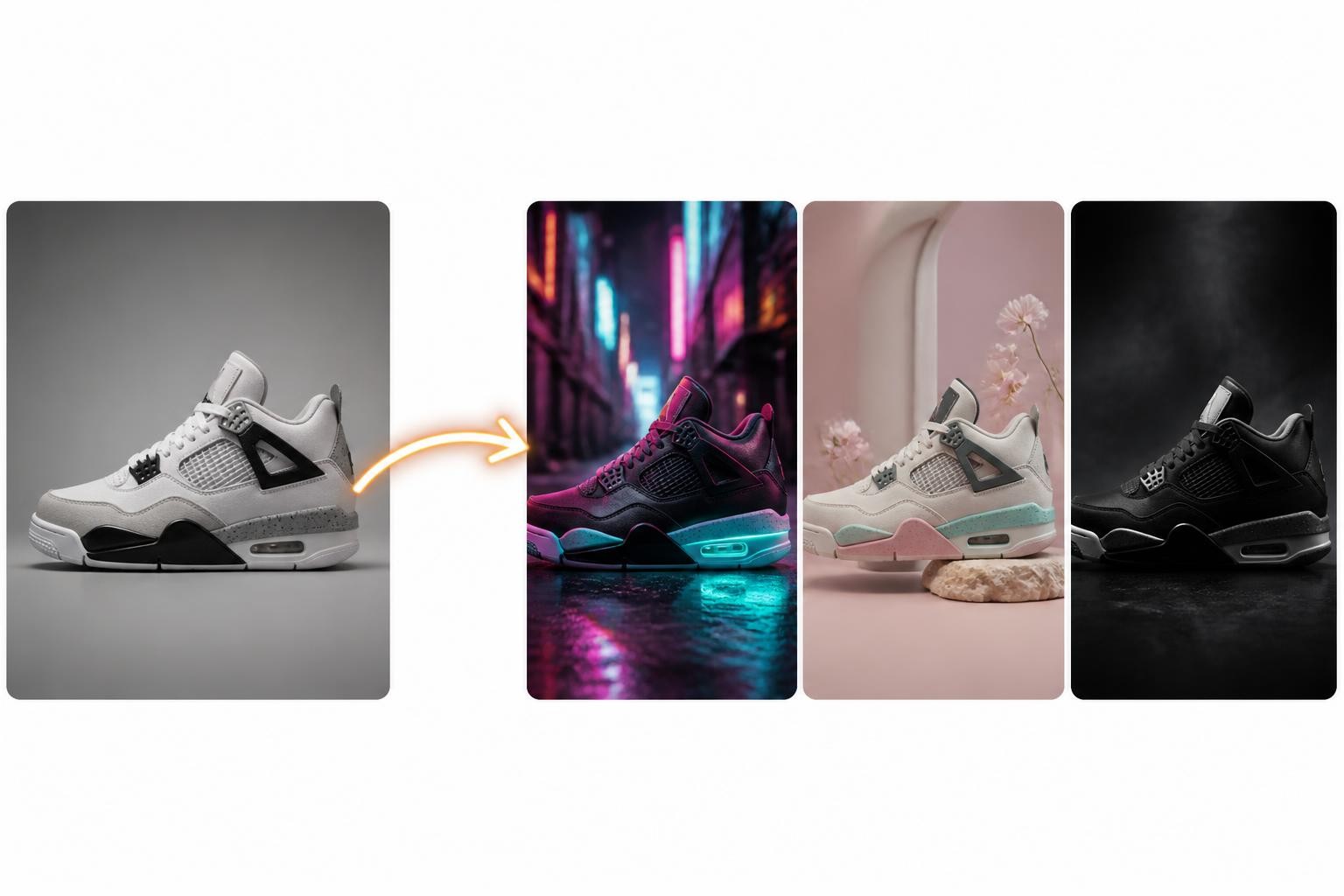
Img2Img AI is built around the opposite starting point: you bring the image. Instead of describing a scene from scratch, you upload a photo, product shot, sketch, or generated draft and transform it — restyle it into a new aesthetic, enhance its quality, edit specific details, expand it beyond its original borders, or generate controlled variations that keep the original composition and identity intact.
That starting point changes everything for certain jobs. E-commerce teams can restyle existing product photos without a reshoot. Marketers can adapt one approved asset into multiple visual directions. Photographers and creators can enhance and rework shots they already own rather than gambling on a prompt to recreate them. The source image anchors the result, so iteration converges on the asset you actually need instead of drifting across a latent space.
The workflow mirrors that difference. Rather than engineering a prompt from nothing, you upload the image, choose the transformation you want — a new style, a quality upgrade, a background change, an expanded canvas — review the result, and iterate on the same source until it is right. The original stays intact underneath every variation, which makes the process easy to reverse and easy to explain to a client or teammate.
Krea2 Turbo vs Img2Img AI: which one fits your job
The choice is less about model quality and more about where your work starts:
| Question | Krea2 Turbo | Img2Img AI |
|---|---|---|
| Starting point | Text prompt on a blank canvas | An image you already have |
| Best for | Concepting, illustration, exploration | Restyling, enhancing, editing, expanding |
| Iteration style | Prompt and seed refinement | Source-anchored transformation |
| Deployment | Web app, API, or self-hosted weights | Web platform |
| Pick it when | You need new images from scratch | You need better versions of existing images |
If your brief is "create ten visual directions for this campaign idea," choose Krea2 Turbo. If your brief is "make these product photos look premium," "turn this sketch into a finished render," or "give me five seasonal variants of this shot," choose Img2Img AI. Many teams end up using both: the turbo model for ideation, an image-to-image workflow for production.
FAQ
Is Krea2 Turbo free to use?
The model weights are open, so self-hosting is possible for anyone with suitable hardware. In the Krea web app, generations cost two credits per image, and Krea's plans determine how many credits you have.
What is the difference between Krea2 Turbo and Krea 2 Raw?
The turbo version is distilled for speed, generating in about eight steps. Krea 2 Raw is the non-distilled checkpoint: slower, but the better foundation for LoRA training and fine-tuning custom styles.
Does the model support LoRA and custom styles?
Yes. The web app supports style references and moodboards out of the box, and the open checkpoint works with LoRA adapters. For serious fine-tuning, Krea recommends starting from the raw, non-distilled weights rather than the turbo version.
Can Krea2 Turbo edit an existing photo?
Not directly — it is a text-to-image model built for generation from prompts. If your task is restyling, enhancing, or editing a photo you already have, an image-to-image tool such as Img2Img AI is designed for exactly that input.
Is Krea2 Turbo good for commercial work?
The model produces commercially usable quality, but review the license published with the checkpoint and your Krea plan terms before relying on it for commercial projects.
Final thoughts
Krea2 Turbo earns its reputation: it is one of the fastest open-weights image models available in 2026, with aesthetic range that most speed-optimized checkpoints give up. Use it when your work starts from words and rewards rapid exploration. When your work starts from an existing image, skip the blank canvas entirely.
If your next task starts from a photo you already have, try Img2Img AI — a practical krea2 turbo alternative for image-to-image work. Upload an image, choose a direction, and get a finished variation in minutes.